2023
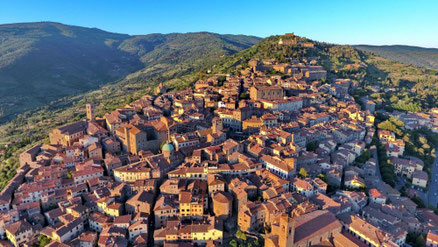
Il Progetto RAO porta avanti il progetto PROJECT PAST RECOVERY: Le Mura di Cortona che punta al rilievo e lo studio delle mura di Cortona sulla base del recupero di archivi fotografici del 2012 con progetto assunto agli atti dalla Soprintendenza archeologia, belle arti e paesaggio per le provincie di Siena, Grosseto e Arezzo. con n. prot. 19936, e autorizzato con Atto sottoscritto digitalmente ai sensi degli art.20 e ss. del d.lgs 7 marzo 2005, n. 82. con lo scopo di produrre materiale di ricerca e studio entro la fine dell'estate 2023.
The RAO Project carries on the PROJECT PAST RECOVERY: Le Mura di Cortona project which aims at the survey and study of the walls of Cortona on the basis of the recovery of photographic archives of 2012 with a project accepted in the records by the Superintendence of archeology, fine arts and landscape for the provinces of Siena, Grosseto and Arezzo. with no. prot. 19936, and authorized with a deed digitally signed pursuant to art. 20 et seq. of Legislative Decree 7 March 2005, n. 82. with the aim of producing research and study material by the end of summer 2023.
2025
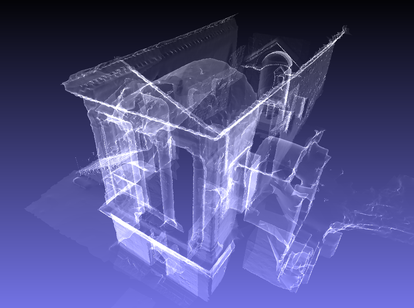
Il progetto ha riguardato il recupero e la valorizzazione di un rilievo fotogrammetrico del Tempietto sul Clitunno (Campello sul Clitunno, PG), realizzato nel 2012 e ora trasformato in un modello 3D ad alta qualità (Digital Twin). Il monumento, parte del sito seriale UNESCO "Longobardi in Italia: i luoghi del potere", è un importante esempio di architettura cristiana altomedievale. Nel 2024, i dati originali sono stati riutilizzati nell’ambito della conservazione digitale del patrimonio, seguendo il protocollo FOPPA (per la documentazione dei flussi fotogrammetrici storici) e l’ontologia PODS (per l’arricchimento semantico e la tracciabilità dei processi).
Il modello finale, in formato OBJ, mantiene l’accuratezza geometrica e visiva del monumento ed è disponibile per scopi didattici, divulgativi e conservativi. Il rilievo è stato autorizzato dalla
Soprintendenza dell’Umbria e realizzato nell’ambito del RAO Project
This project involved the recovery and enhancement of a 2012 photogrammetric survey of the Tempietto sul Clitunno (Campello sul Clitunno, Italy), now published as a high-quality 3D Digital Twin. The monument, part of the UNESCO serial site "Longobards in Italy: Places of Power", exemplifies early medieval Christian architecture.
In 2024, the dataset was reprocessed within a digital heritage preservation framework, using the FOPPA protocol (for documenting legacy photogrammetry) and the PODS ontology (for semantic metadata and traceability).
The final OBJ model preserves accurate geometry and visual detail, and is made available for educational, public, and conservation uses. The survey was authorized by the Soprintendenza dell’Umbria and carried out under the RAO Project
Pubblicazioni/Publications
R.A.O. Project Recovery: Methods and Approaches for the Recovery of a Photographic Archive for the Creation of a Photogrammetric Survey of a Site Unreachable over Time doi: 10.3390/heritage6060250